
A Shipping Dynasty’s Reckoning
Der goldene HandschuhThis thread follows the von Dohren family’s business decline and WH 1’s long effort to turn old resentment into revenge, which collides with his son’s attempt at public reconciliation.
increasing Bearing strength in each event
 decreasing
Bearing strength in each eventdecreasingThe Inherited Fortune
A Fortune Built on Dispossession
The Family’s Rise
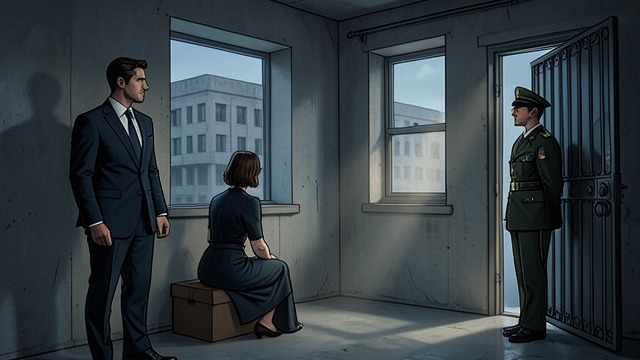
WH 1 entered the Nazi Party in the 1920s, not from conviction, but from a shrewd belief that the movement would take power. In 1935, Jewish shipowning family the Arronges were dispossessed, and their villa, estate, and fleet passed into WH 1’s hands. The fortune that secured the family’s standing therefore carried a history its beneficiaries could not simply leave behind.
The Cost of Exposure
After the war, knowledge of the Arronges’ fate made WH 1’s position untenable. The Allies confiscated much of the fleet, and Hamburg’s merchant community shunned him. He was eventually forced to surrender control of the company to WH 2, converting a public reckoning into a private grievance that would shape the family for decades.
The Son’s Business Collapse
WH 2 Loses Control
Early Success
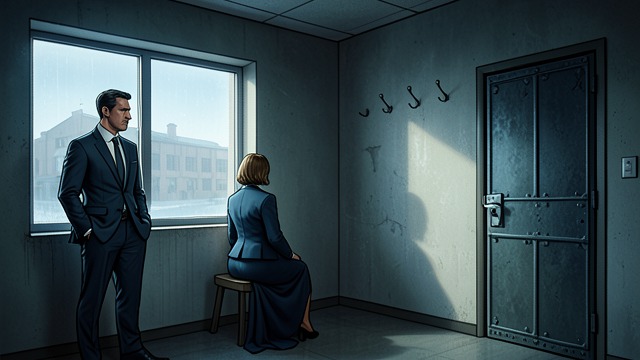
After taking over from his father, WH 2 initially prospered, particularly through East-West barter deals that generated exceptional commissions for shipping brokers. His success appeared to restore the family enterprise and to distance it from the disgrace attached to WH 1. Yet it depended on a changing maritime economy that was already moving beyond the assumptions on which the business had been built.
A Shrinking Future
The container revolution caught established shipowners late, and WH 2 was forced out under damaging circumstances by the Hinnebergs. The stranded ships of the Yellow Fleet compounded the losses: Egypt’s closure of the Suez Canal left a Von-Dohren vessel among ships trapped there from 1967 onward. By the mid-1970s, WH 2 had lost confidence that he could rescue the company and privately gave himself little time to endure its decline.
A Son Seeks Absolution
Reconciliation as a Family Project
WH 2’s Unexpected Aim
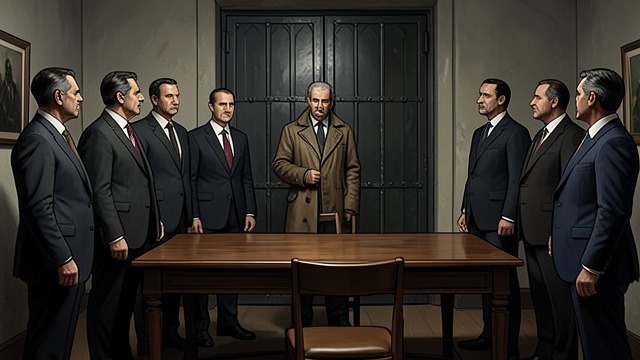
With bankruptcy looming, WH 2 turned toward a goal that had little to do with saving the shipping business: he wanted his father formally rehabilitated by Hamburg’s maritime establishment. He sought support from influential leaders, including Gerhard Leyendieker, and patiently worked to secure a unanimous public gesture. The effort surprised WH 2 himself, who recognized in it an unfamiliar wish to create peace before the family’s fortunes disappeared.
The Old Rival’s Consent
WH 1 and Gerhard Leyendieker had once been schoolmates and friends, then competitors, before becoming estranged. WH 1 hated him, while Leyendieker’s agreement to the plan framed forgiveness as a generous act and proposed the birthday celebration as its occasion. WH 2 treated that consent as a hard-won opportunity, though the reconciliation he was arranging was not necessarily the one his father wanted.
The Birthday That Could Not Heal
A Public Gesture Meets Private Hatred
The Announcement
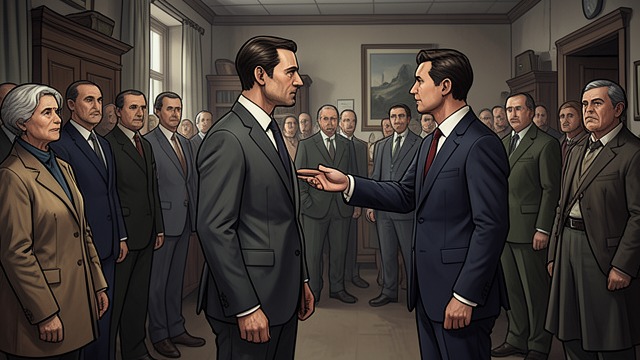
At the birthday reception, WH 1 was unaware that the gathering had been arranged to rehabilitate him. WH 2 delayed telling him until five minutes before noon, leaving little room for protest. The arrival of prominent guests, including the city’s interior senator, made the planned act a public ceremony rather than a private conversation between an estranged father and son.
An Unspoken Refusal
Gerhard Leyendieker delivered a formal speech and offered WH 1 a ceremonious handshake, but the gesture felt to WH 1 like an act of domination, not reconciliation. He had spent years rehearsing a denunciation of the shipping elite and a reckoning with his family, yet age and weakness left him unable to speak. His long-nursed grievance remained intact; the ceremony could provide neither the catharsis he had imagined nor the emotional repair WH 2 had hoped to achieve.
The Dynasty’s Quiet Aftermath
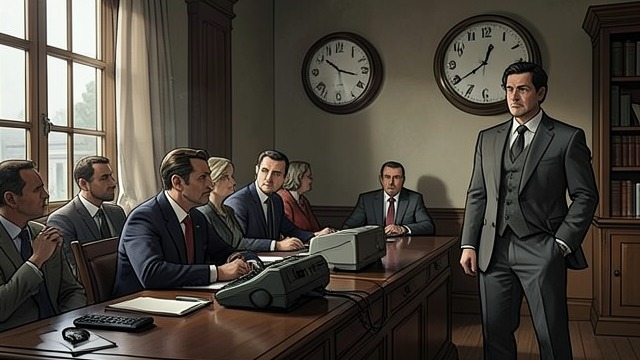
A Family Still Unreconciled
Routine Returns
The reception passed without the explosive confrontation WH 1 had imagined. By evening, the family had returned to the Red Salon, where WH 2 tried to keep conversation moving through safe public topics. The performance of family order survived, but it did not resolve the business crisis or erase the old injuries beneath it.
No Easy Restoration
WH 2 remained preoccupied with the company’s impending failure, while WH 1 had been unable to turn his accumulated anger into words. Their positions had briefly converged around the idea of vindication, but their motives were different: the son sought peace, while the father had wanted the chance to condemn and punish. The episode leaves the dynasty with ceremony instead of restoration, and with a legacy that money and public approval cannot neatly settle.
From the 1920s through the immediate postwar years
From the postwar succession through the mid-1970s
The year before WH 1’s eightieth birthday
WH 1’s eightieth birthday, at noon
The evening after the birthday reception
